
HPPAA PROGRAM
Texas Jazz History
PEOPLE · PLACES · REPERTOIRE · LIVING MEMORY
HPPAA connects research and cultural memory with live jazz performance, new arrangements, film, poetry, education, and public conversation — bringing Texas stories into the room where audiences can hear them.
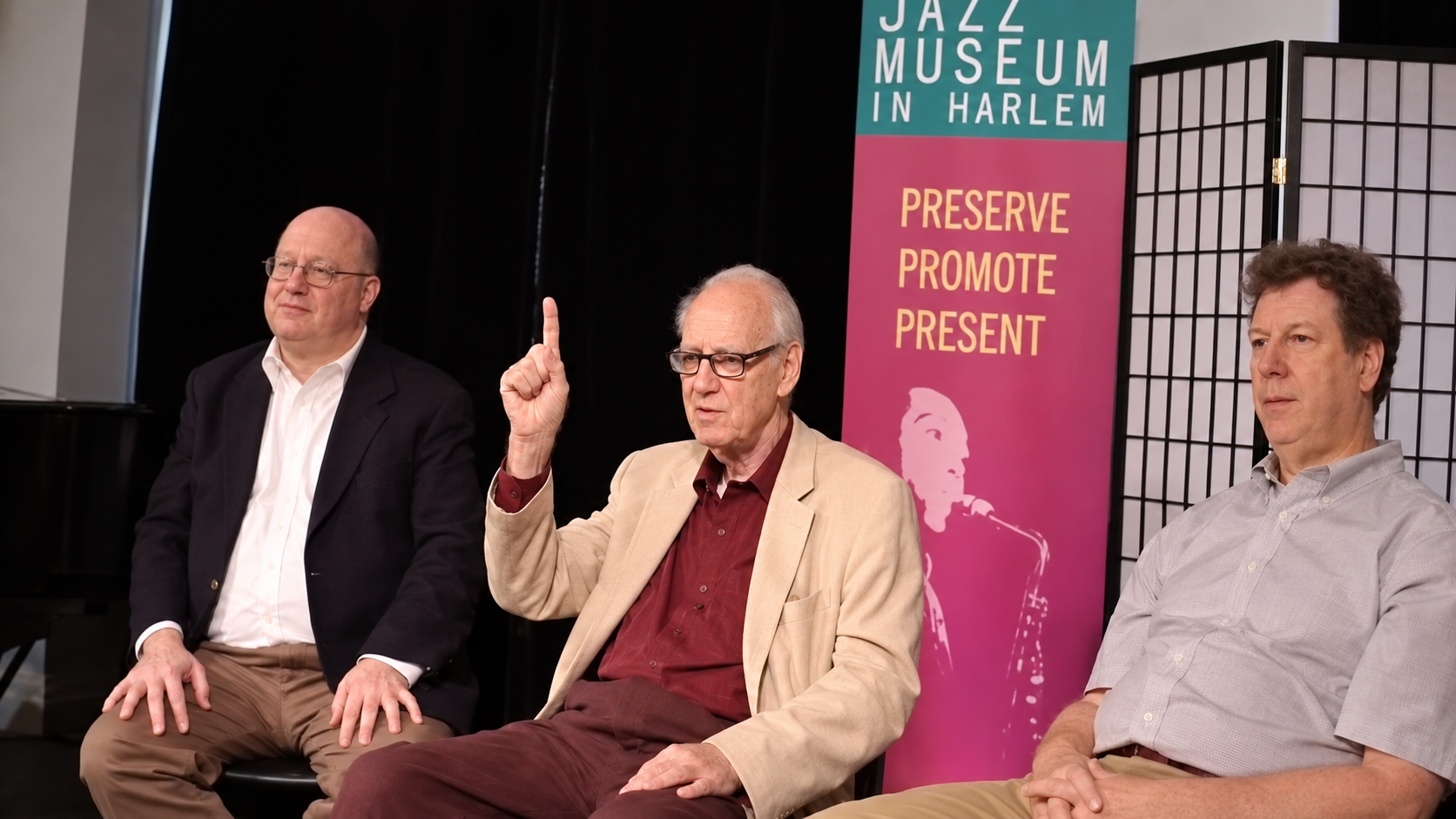
HISTORY AS A LIVING PRACTICE
The archive becomes audible
Texas jazz history lives in recordings, scores, photographs, oral histories, scholarship, and the memories of the people who made and heard the music. HPPAA brings those sources into active conversation with musicians and audiences.
Research gives a program its grounding. New arrangements and live interpretation allow the music to speak again. Commentary connects a composition with the people, places, and circumstances around it. Documentation helps the experience remain available after the final note.
The goal is not simply to look backward. It is to hear how Texas artists helped shape jazz — and to invite today’s listeners, students, and artists into that continuing story.
ANCHOR PROJECT · EDDIE DURHAM
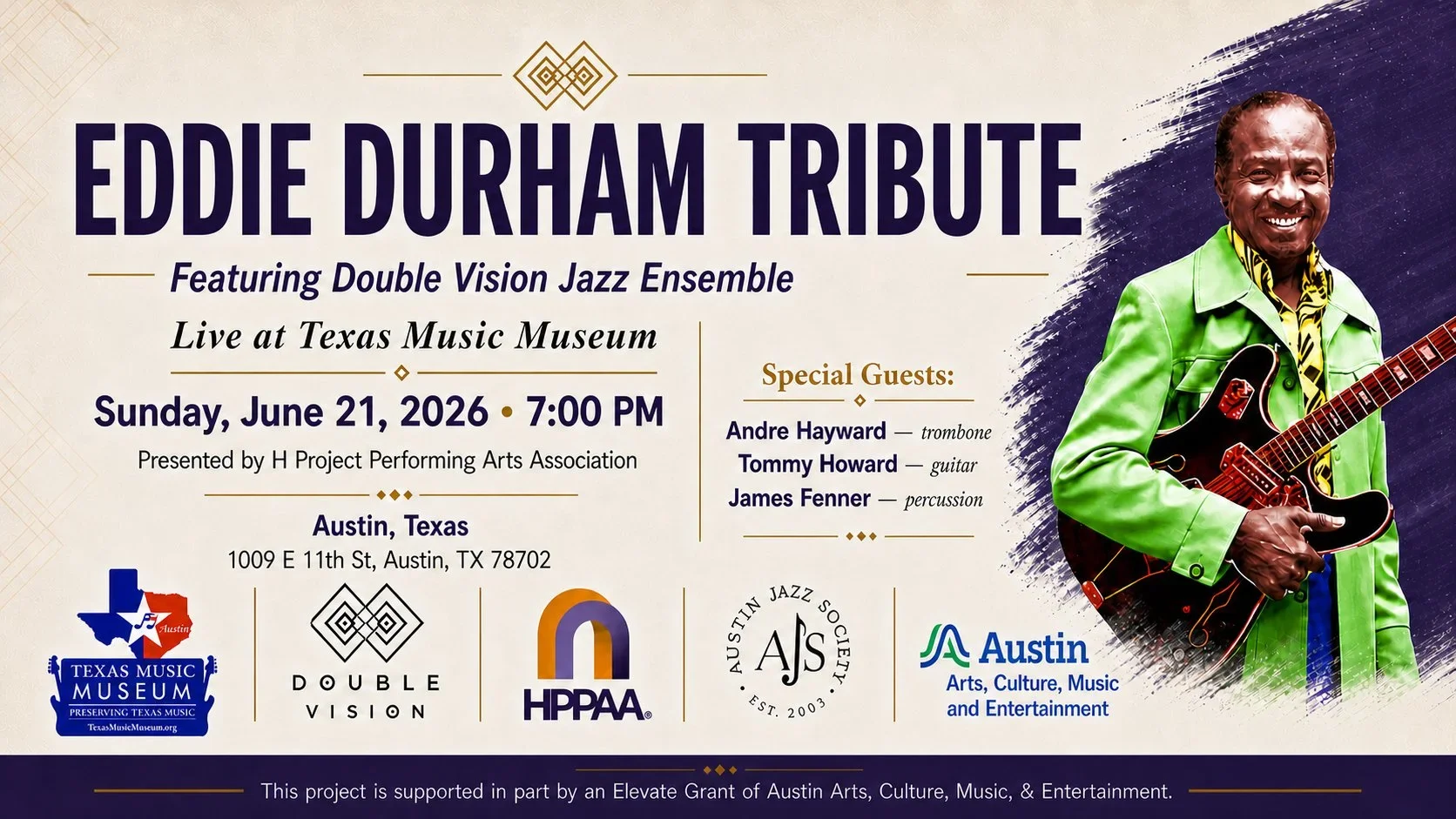
From San Marcos into the sound of swing
Born in San Marcos in 1906, Eddie Durham became a composer, arranger, trombonist, guitarist, and one of the important Texas innovators in twentieth-century jazz. His work helped shape the sound of major bands led by Bennie Moten, Jimmie Lunceford, and Count Basie, and he was among the earliest musicians to expand the role of amplified guitar in jazz.
HPPAA’s Eddie Durham project combines research, new arrangements, live performance, historical commentary, guest artists, archival film, and public documentation. Each presentation reconnects Durham’s national influence with the Texas community where his story began.
FEATURED ARCHIVAL FILM · JAZZ HISTORY
How Eddie Durham Helped Change American Jazz
This short historical feature draws on interviews recorded through the 2018–19 National Endowment for the Arts Art:Works project Reminiscences of NEA Jazz Master Dan Morgenstern.
Dan Morgenstern, Phil Schaap, Loren Schoenberg, and Doug Lawrence illuminate Durham’s importance as a composer, arranger, trombonist, guitar innovator, and contributor to the Southwestern and Kansas City jazz traditions.
The $25,000 NEA-supported project at Texas State University helped preserve these jazz-history interviews for public and educational access.
PUBLIC CHAPTERS
History returned to public life
HPPAA’s Durham work continues across museums, public festivals, and a major 2027 San Marcos presentation.
JUNE 21 · 2026
COMPLETED
Texas Music Museum
Austin
Double Vision Jazz Ensemble, guest artists, new interpretations, and historical remarks by Dave Oliphant.
OCTOBER 10 · 2026
COMPLETED
Eddie Durham Festival
San Marcos
Durham’s music and historical context returned to Eddie Durham Park for the annual San Marcos public celebration.
MARCH 7 · 2027
CONFIRMED
Eddie Durham Comes Home
Texas State Performing Arts Center
Double Vision Jazz Ensemble with guest artists at 7:30 PM, supported through a City of San Marcos community arts grant.
EXPLORE THE 2027 PROJECT →SCHOLARSHIP + PERFORMANCE
History begins with evidence — and returns through sound
HPPAA’s public-history work is strongest when documented scholarship and informed musical practice are allowed to illuminate one another.
TEXAS JAZZ SCHOLARSHIP
Dave Oliphant
Poet, writer, editor, and jazz historian Dave Oliphant has helped establish a broad account of the artists and communities that shaped jazz in Texas. His scholarship provides context for Eddie Durham, Kenny Dorham, and many others. He contributed historical remarks to HPPAA’s June 2026 Eddie Durham Tribute.
EXPLORE TEXAN JAZZ ↗HISTORY IN PERFORMANCE
Research becomes repertoire
HPPAA and Double Vision Jazz Ensemble translate historical inquiry into new arrangements, live interpretation, guest collaborations, and concise commentary. Audiences hear the music as music while gaining a clearer sense of the people, places, and creative decisions behind it.
MEET DOUBLE VISION →HISTORY HEARD WEEKLY
A living repertoire at Nica on 4th
WEDNESDAYS · 6:30–9:30 PM · AUSTIN
On Wednesday evenings, the Hank Hehmsoth Trio uses repertoire and short-form storytelling to connect audiences with Texas jazz figures including San Marcos-born Eddie Durham and Fairfield-born trumpeter-composer Kenny Dorham, alongside music associated with Baroness Pannonica “Nica” de Koenigswarter.
The setting demonstrates a central idea behind HPPAA’s history work: context can be shared naturally inside a live performance, where a composition, a story, and an audience occupy the same room.
TEXAS STORIES ACROSS FORMS
Public history beyond the bandstand
Music can carry history through a documentary, a poem, a museum, or a live performance. These projects show how Texas stories can be approached through more than one artistic language.
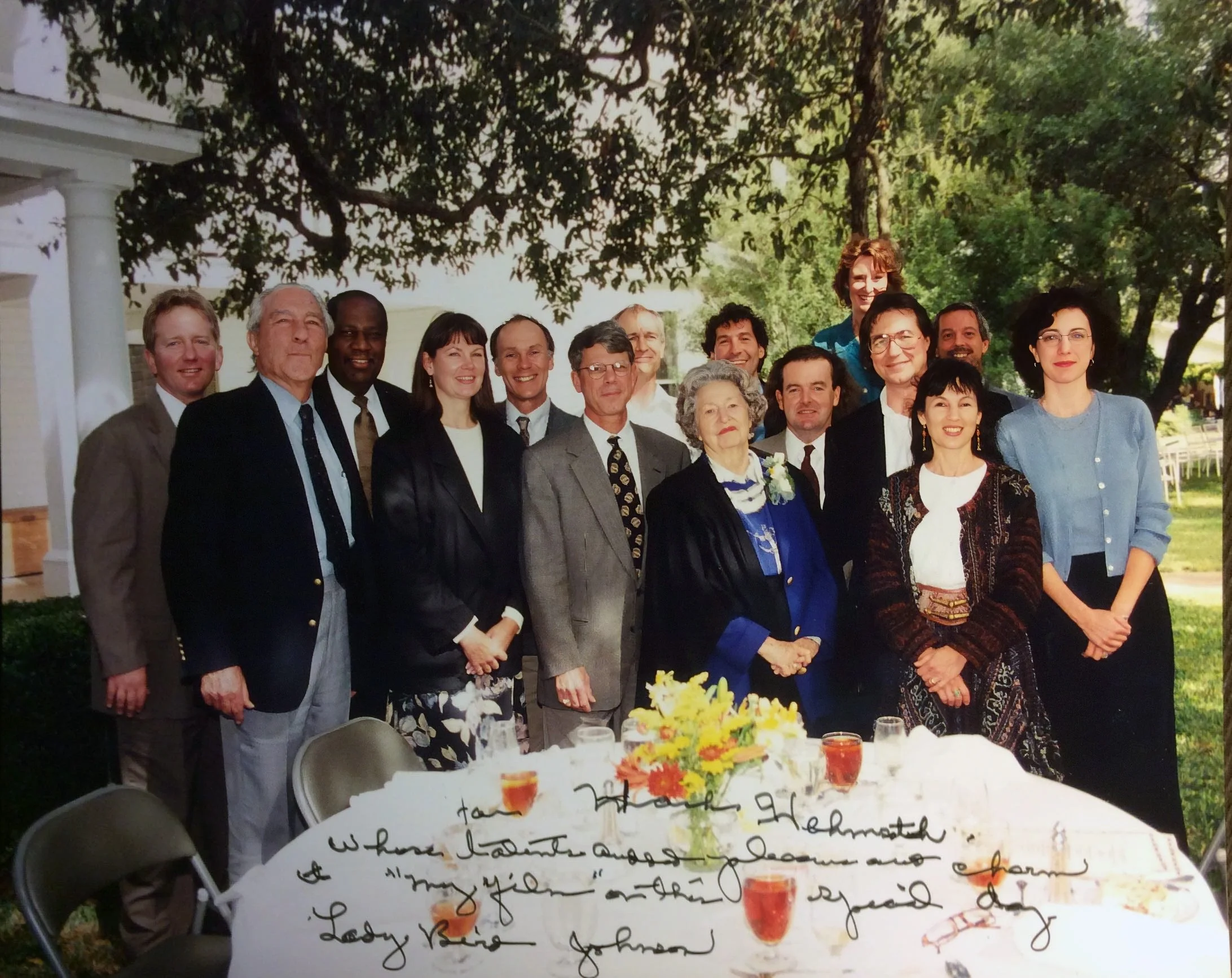
FILM + PUBLIC MEMORY
Music for a Lady Bird Johnson documentary
Hank Hehmsoth composed music for a documentary about Lady Bird Johnson and performed selections at its premiere at the Texas White House — connecting original music with Texas civic history, landscape, and public memory.
READ THE FILM STORY ↗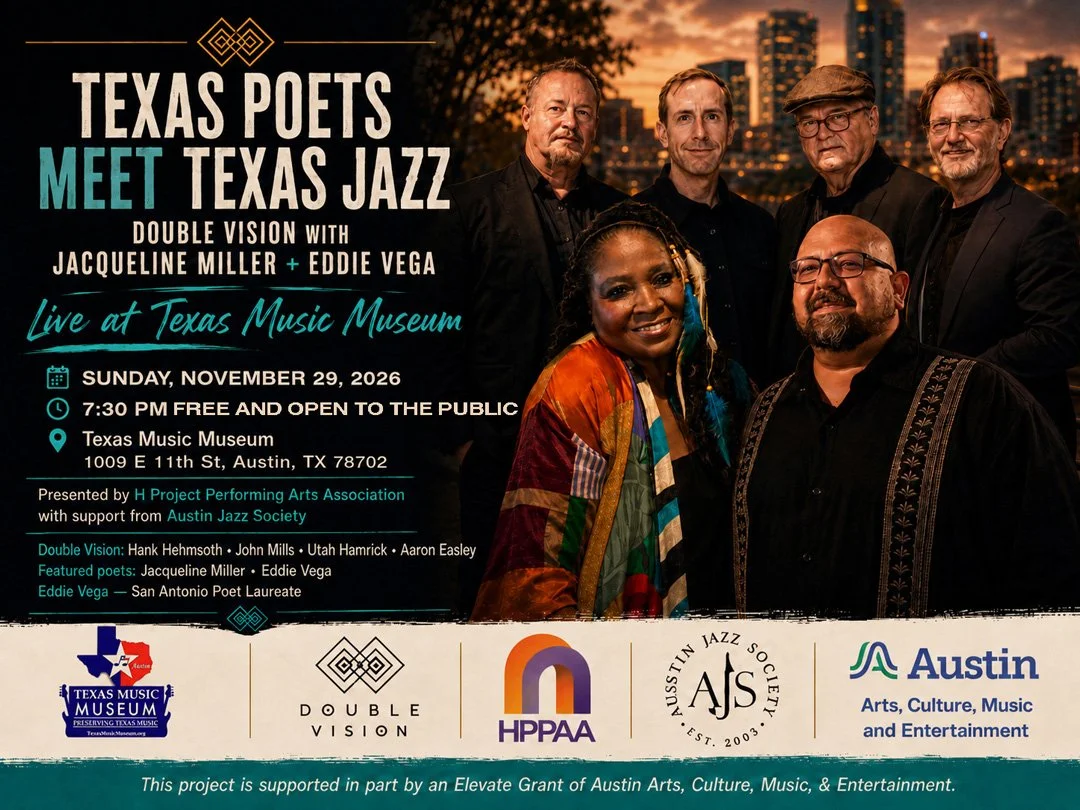
POETRY + IMPROVISATION
Texas Poets Meet Texas Jazz
Double Vision Jazz Ensemble joins Jacqueline Miller and Eddie Vega for new music inspired by selected poems — bringing spoken word, contemporary jazz, rhythmic interpretation, and improvisation into one public program at Texas Music Museum.
VIEW THE HPPAA PROJECT →PROGRAM FORMATS
Ways to bring Texas jazz history to an audience
Concert +
Commentary
Live music shaped around a Texas artist, place, repertoire, or theme.
Museum or
Library Program
Music, research, images, and conversation developed for public-history audiences.
School or
University Program
Performance, listening, discussion, and source-based learning for students and educators.
Film, Poetry +
Interdisciplinary
Original music connected with documentary film, spoken word, and visual art.
READ · LISTEN · EXPLORE
Continue into the history
Jazz in the
Handbook of Texas
READ OVERVIEW ↗
Eddie Durham
biography
READ BIOGRAPHY ↗
Kenny Dorham
biography
READ BIOGRAPHY ↗
Eddie Durham
HPPAA project
VIEW PROJECT →
PRESENTATIONS + PARTNERSHIPS
Bring Texas jazz history into the room
HPPAA welcomes conversations with museums, libraries, schools, colleges, festivals, venues, historical organizations, and community partners interested in concerts, talks, residencies, educational programs, and interdisciplinary public-history projects.